Your Figma File, Built as Maintainable WordPress
Faithful to the design, responsive at every width, structured so your client can run it. Built in ACF, Gutenberg, Elementor or a custom theme — and delivered under your brand.


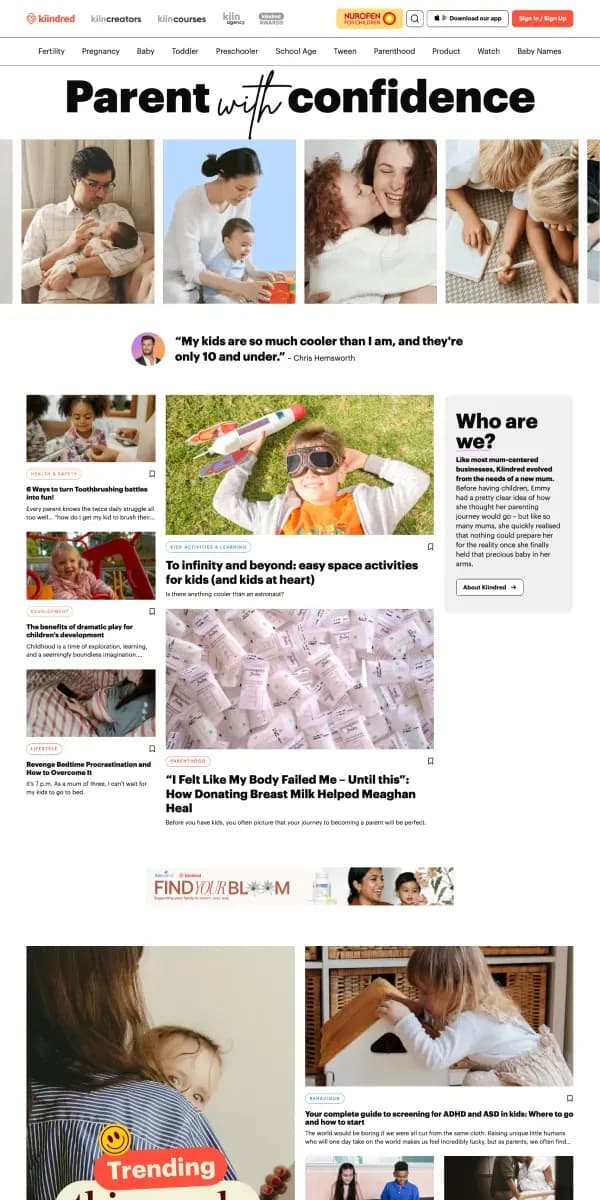
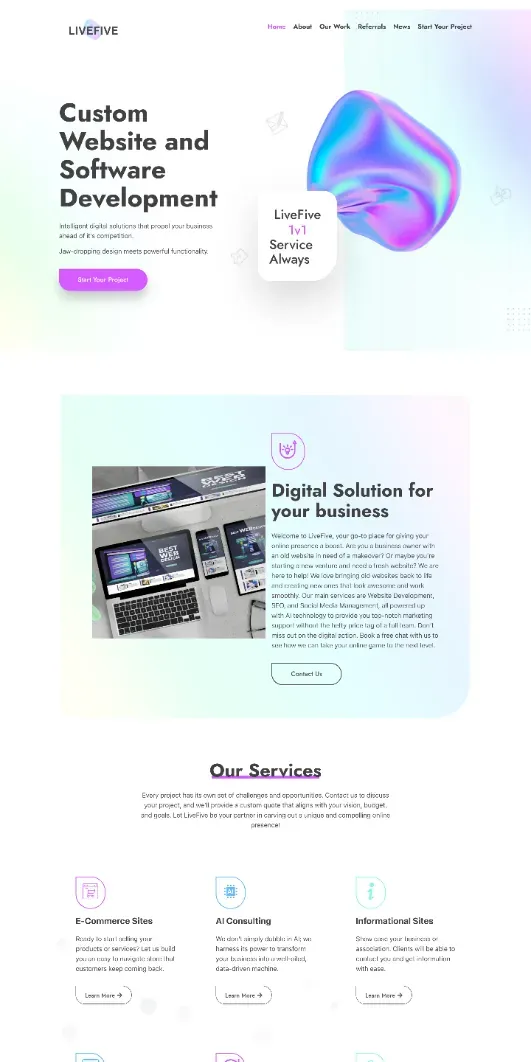

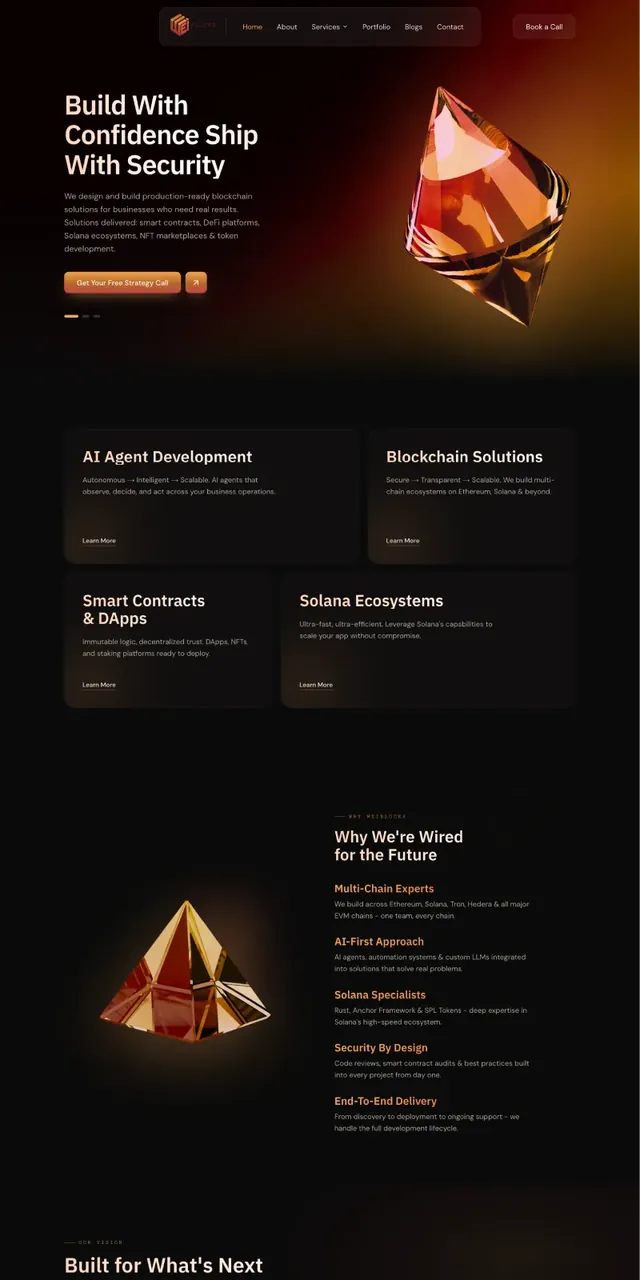
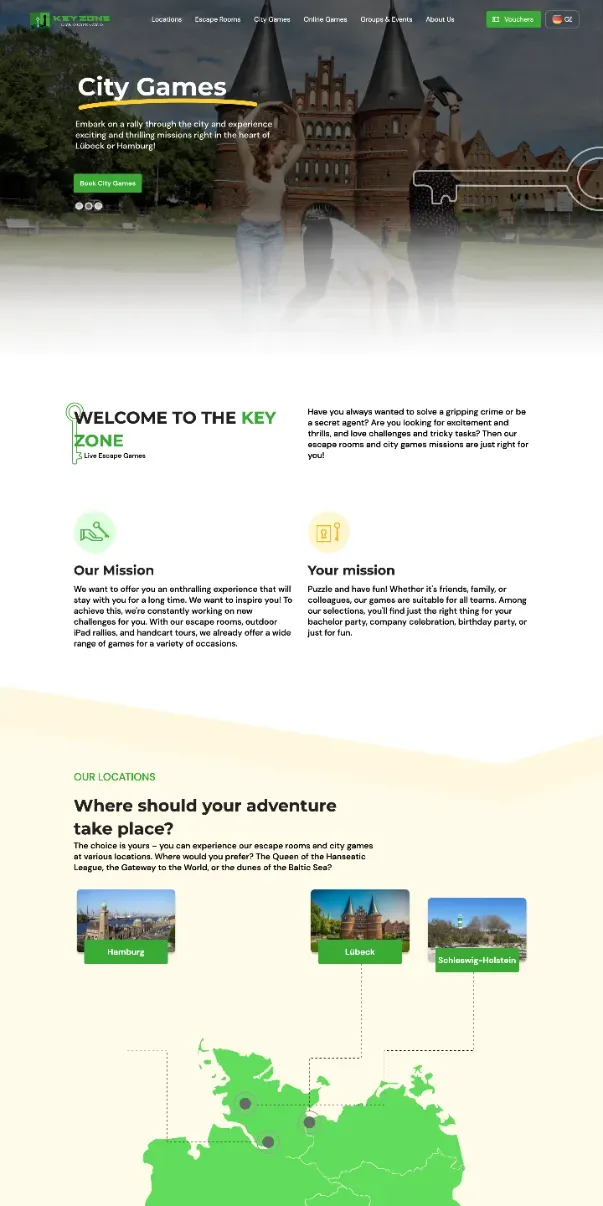




















You send the file. We handle the rest
What you provide
- Figma file with view access
- Fonts and their licences
- Content, where it exists
- Any integrations the site needs
What we handle
- Technical planning and open questions
- WordPress architecture and content model
- Component development and CMS setup
- Responsive implementation and QA
- Integrations, performance and handover

Design approved,
build drifts
Rarely because the design was wrong. Usually because decisions the file did not make got made at speed, by whoever was implementing.
Start With a Pilot ProjectFidelity
Gaps
Handover
A design file is not a specification
A file shows fixed canvases with chosen content. A website is fluid and filled with content nobody has written yet. Every conversion bridges that — deliberately, or by improvising.
| What is included | The file showsFixed frames, chosen content | Production must answerEvery width, any content |
|---|---|---|
| Breakpoints | Two or three frames | Every width in between |
| Copy | Placeholder text | Headlines twice as long |
| Lists | A populated example | Zero items, or two hundred |
| Components | One static state | Hover, focus, active, disabled |
| Cards | One example | A template for hundreds |
| Type | Beautiful in Figma | Licensed and loaded fast |
We return the list of open questions before the estimate, not after it is expensive to change.
How a Build Runs

We Read the File
We Build the System


You Review and Ship
We Read the File
Components, styles, breakpoints and states. You get the list of open questions and a fixed quote before anything is built.
We Build the System
Content model first, then components, then pages assembled from them — so the eleventh page costs a fraction of the first.
You Review and Ship
Staging under your naming, checked against the file and on real devices, then handed over with documentation your team can use.
We Read the File
Components, styles, breakpoints and states. You get the list of open questions and a fixed quote before anything is built.
We Build the System
Content model first, then components, then pages assembled from them — so the eleventh page costs a fraction of the first.
You Review and Ship
Staging under your naming, checked against the file and on real devices, then handed over with documentation your team can use.
Pick the Implementation That Fits Your Team
Chosen for the people maintaining the site afterwards. If you have standardised on a stack, we build in yours.
View All ServicesACF & Custom Theme
- Bespoke theme built from your file
- Field groups shaped around real content
- Custom post types and taxonomies
- Most control over the editing experience
- No page builder weight

Gutenberg & Blocks

Elementor, Built Properly

Design System & Front End

Checked before it reaches you
Your name goes on work you did not build. The same checks run on every project, regardless of deadline.
Design fidelity
Compared against the file at each designed breakpoint.
Responsive behaviour
And at the widths between them, where layouts break.
Reusable components
Built once, applied everywhere they appear.
Editable content
Tested by someone who did not build the CMS.
Performance
Core Web Vitals measured before handover.
Accessibility
Semantic markup, keyboard paths, focus states.
SEO foundations
Heading order, metadata, clean markup.
Browser testing
Chrome, Safari, Firefox, Edge and real devices.
From File toSite Your ClientCan Run
Why Agencies Send Us Their
Files
AI accelerates the work. Experienced engineers stay accountable for the result

Design Holds

Built from the file itself, not eyeballed from a flattened export.
Questions First
Open decisions come back to you before the estimate, not after.
Your Stack
ACF, Gutenberg, Elementor or custom — whichever your team maintains.
Built to Extend
Components and templates, so page eleven costs a fraction of page one.
Invisible Delivery
NDA as standard, no client contact, your naming on everything.
Where agencies use this
Design in-house, build outsourced
Your designers are why clients hire you. Turning files into WordPress is not their best use.
The queue is full
Your developers are booked. Overflow goes out and comes back matching your standards.
A platform you do not staff for
The client insists on WordPress. Your team is a Webflow or Shopify shop.
The redesign with real content
Hundreds of pages into a new design without losing URLs or rankings.
What we build with
Your design system, implemented in the stack your team already maintains.
- Figma
- WordPress
- Elementor
- WooCommerce
- PHP
- JavaScript
- CSS
- Next.js
Gutenberg blocks, ACF Pro field groups and custom themes sit on top of the same foundation. Already standardised on something else? We build in yours.
What Clients Say About the Delivery

Yusuf is amazing to work with! So positive and polite and delivers work at lightening speed! Highly recommend him!
Professional worker. Great attitude and got everything done in the timeframe he promised. Brought our website Semrush statues from a mid 70's to a 97%. Was always available to answer any questions we had. Will definitely hire him again for any projects going forward
Muhammad went above and beyond to get the job done. Highly recommend working with him.
Highly skilled, and provides great quality work. Communication and Cooperation is fantastic!
Can it get any better than this? I was travelling and not able to send all the details for Muhammad, but he did amazing work and can I see he has years of experiences and is very profesional. In fact, I just hired him again. Highly recommended
Really great work in web design and web development. I can highly recommend him. Good communication and quick responses.
Muhammad quickly found the root of the problem and fixed it. He needed no hand holding, he just jumped right in a fixed it which was exactly what I needed.
Muhammad is a very experienced Wordpress Developer, I really like working with him!
Muhammad did an excellent job on our website and followed the brief. He is a good communicator and didn't hesitate to ask any questions about aspects of the design and layout. We would highly recommend him.
great to work with and solved our problems. Recommended!
Muhammad communicates well and has solid development expertise. He is fair in how he operates and will not charge for payment if the intended outcome is not possible despite spending the time researching the solution
Super helpful and really creative with implementing landing page design for an online course. I'm grateful for his support and effort in being accessible for updates and changes. Looking forward to working with him again!
Muhammad went above and beyond to get the job done. Highly recommend working with him.
Figma to WordPress FAQs
Type, spacing, colour and layout are implemented from the file rather than eyeballed from an export. The honest caveat is that a Figma frame is a fixed canvas and a website is not: text reflows at different lengths, real content is longer than placeholder content, and browsers render type slightly differently. Those are the points where a design has to make a decision, and we raise them with a recommendation instead of guessing.
Whichever fits who maintains the site. ACF with a custom theme suits content-heavy sites with a real editorial team and gives the most control over the editing experience. Gutenberg and block themes suit clients composing pages from a constrained set of components. Elementor suits teams already standardised on it. We recommend one and explain the trade-off in maintenance cost — and if you have already standardised on a stack, we build in yours.
We implement your frames as anchor points and make deliberate decisions for the widths between them — what reflows, what reorders, what is hidden, where a fixed size becomes fluid. Anything ambiguous comes back to you as a specific question with a recommendation. Layouts are checked between breakpoints rather than only at them, which is where most implementations quietly break.
View access to the Figma file, the fonts and their licences, and any content that exists. Well-organised files with components, styles and auto-layout make the build faster, but a messy file is not a blocker. What genuinely slows a project is missing states: no mobile frame for a key page, no empty state, no error state, no hover behaviour. We flag those during review so they are decided before they become a delay.
That is a design decision as much as a build one. Repeating elements become real content structures — team members, case studies, testimonials, pricing rows — edited through fields rather than page markup. Composable sections become reusable blocks or patterns. Sections that should not be edited are locked deliberately. Your client gets an editor matching how they work, and you get a handover document rather than a support call.
A plugin converts a frame into markup, quickly, and can genuinely save time on a simple layout. What it cannot do is decide how your client's content should be structured, because that depends on pages that do not exist yet. That judgement is most of the work. Automated output also tends to produce absolutely positioned layouts, inline styles and headers outside the theme's templating — correct in a demo, expensive at the first content update.
Both, though most agencies come to us with the design done and their own designer on the account — the arrangement we would expect. Where a file has gaps we can produce the missing frames and states in your design system rather than sending the project back. If you need the design work itself, we scope that as its own piece rather than folding it invisibly into a build quote.
Yes, white label as standard. NDA before the first file changes hands, no contact with your client, and your naming on staging URLs, documentation and repositories. You own the client relationship and price the project however your market supports. We invoice you; the two numbers are unrelated.